education

A cornerstone of the HESCOR project is our commitment to education and outreach to university students, school children, and the general public.

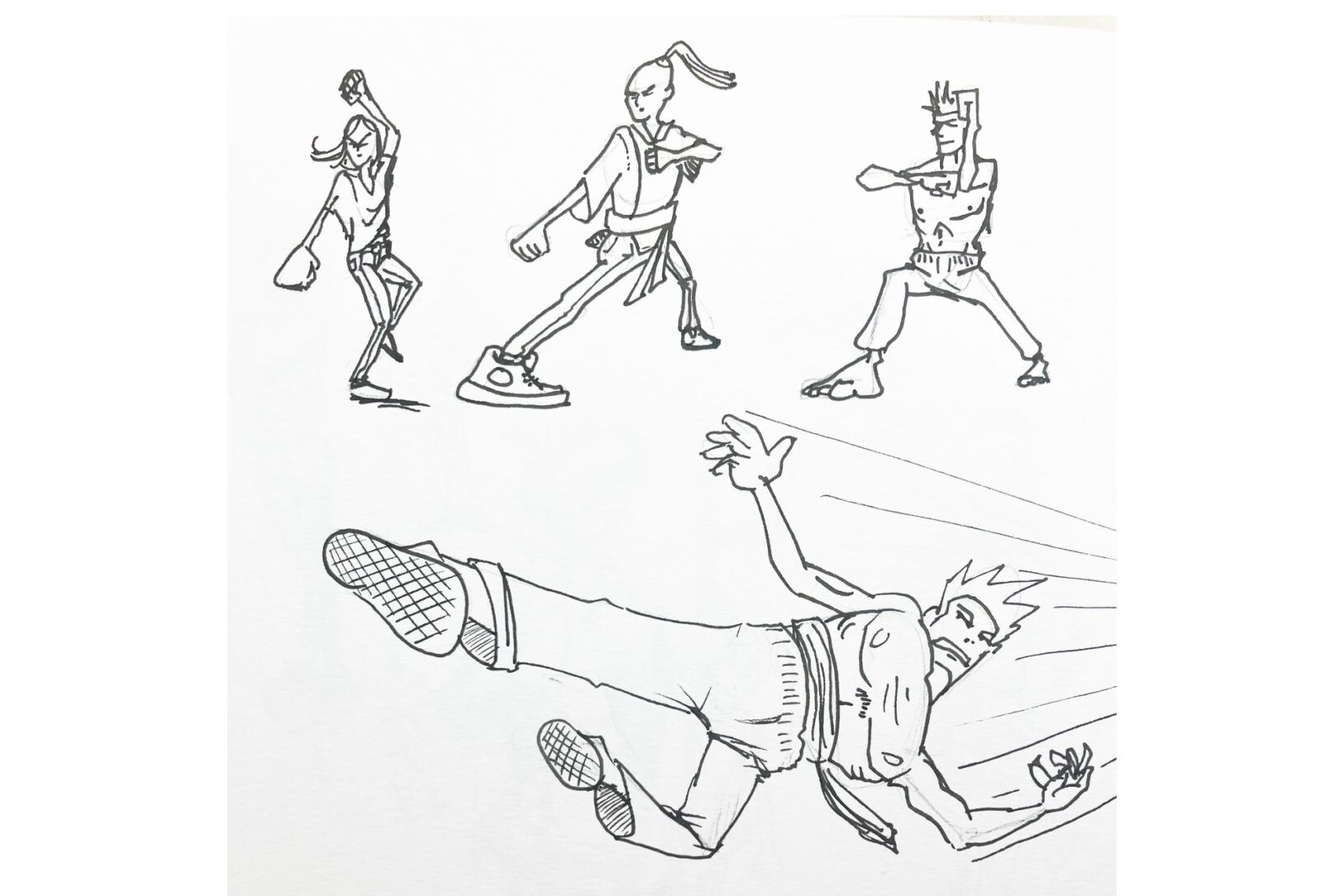
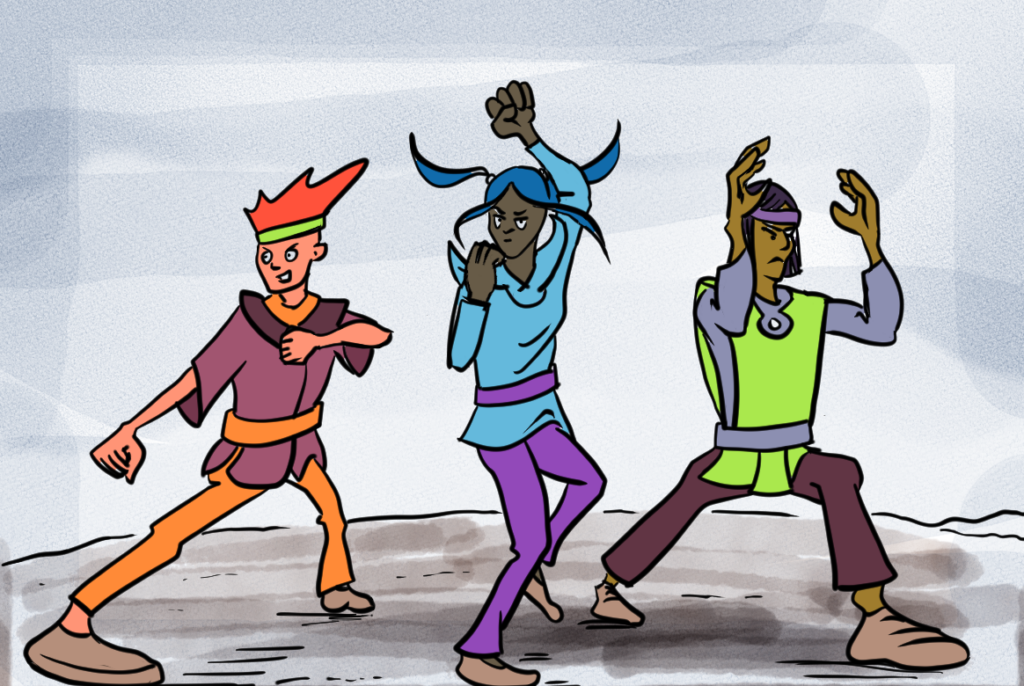
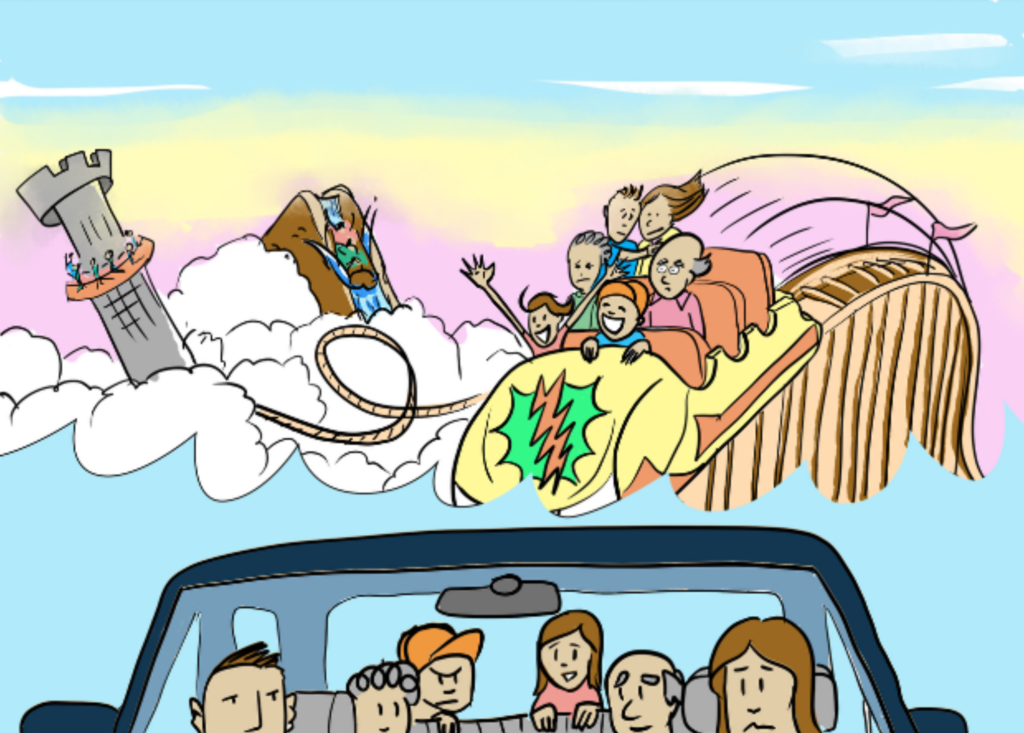
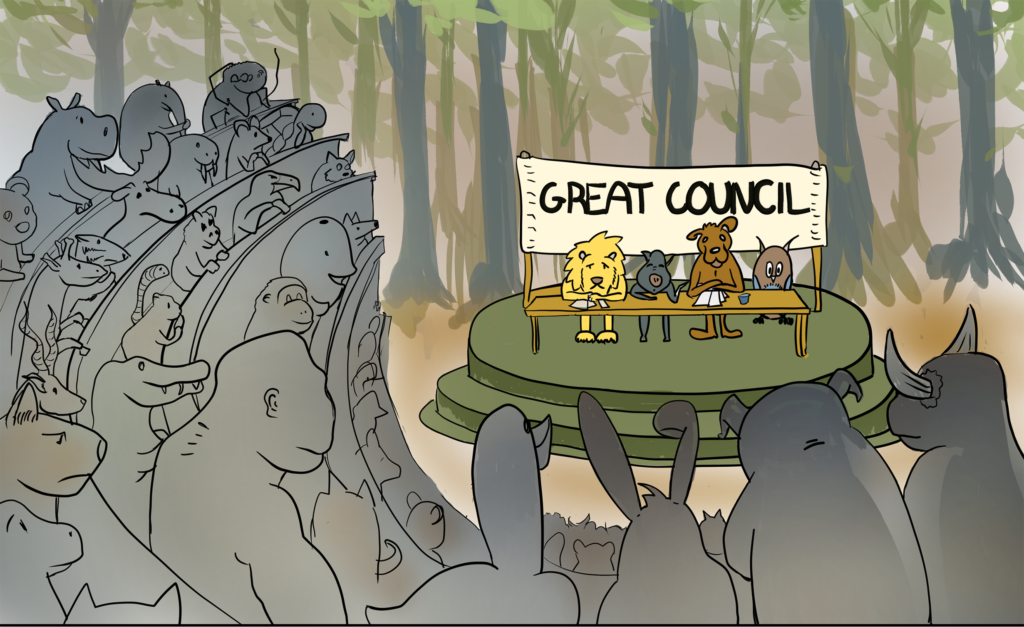
At the university and schools: At the university, we are committed to education through open lectures, such as our Ringvorlesung series, and online lectures as Open Educational Resources. Through the university, we participated in KinderUni, a month of courses for children in 3rd to 6th grade. We are also creating comics to document the interdisciplinary scientific process for a broad audience.

For the public: Through social media, we will extend the outreach of our comics to the public. We will also post scientific, but digestible blogs to extend our research to a broader audience. In addition, towards the conclusion of our project, we will host an exhibition on our findings on human cultural evolution.

Educational Research: In the HESCOR project, data are critically important. We are therefore pursuing scientific research in collaboration with the Institute of Geography Education to assess the data competence of future teachers and create an educational framework that extends data awareness within the classroom. The guiding research questions are:
  1. What ideas do students have about data?
  2. How do students assess data quality?
  3. What skills do students have to critically assess data?
  4. What difficulties do students have in structuring and evaluating data?
  5. Which methods can be used to promote data literacy among students?

OUTREACH

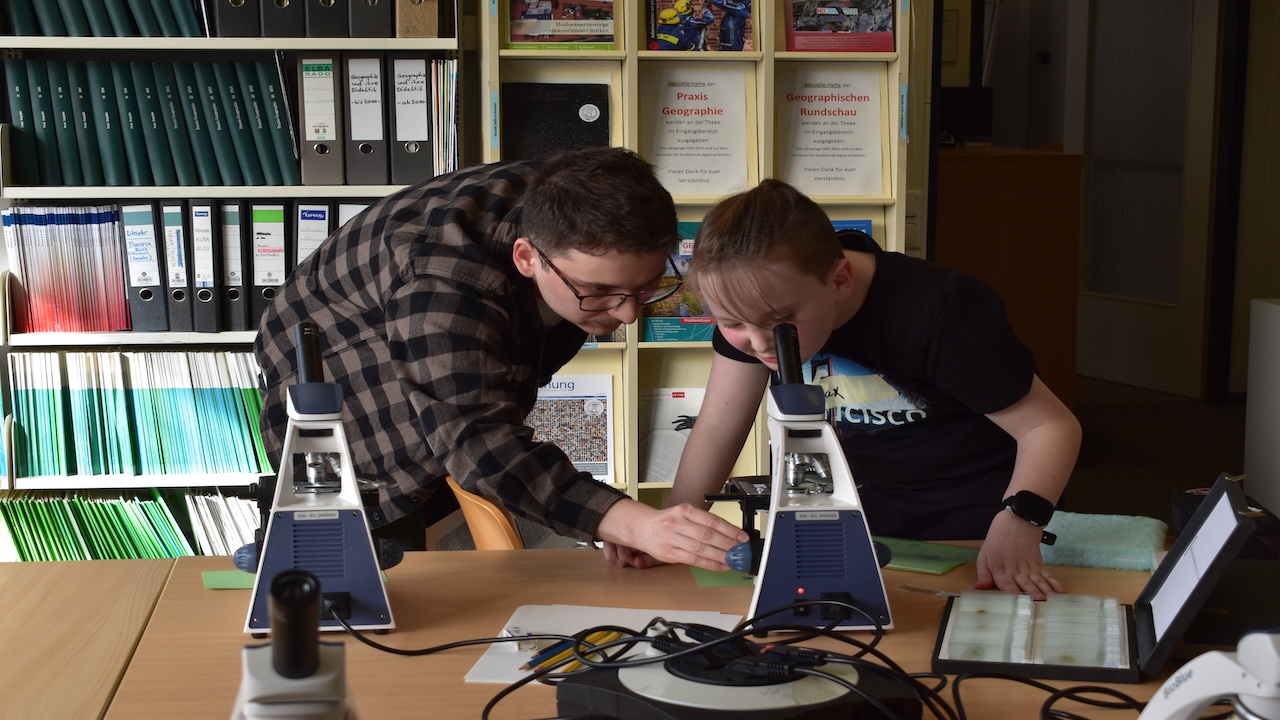
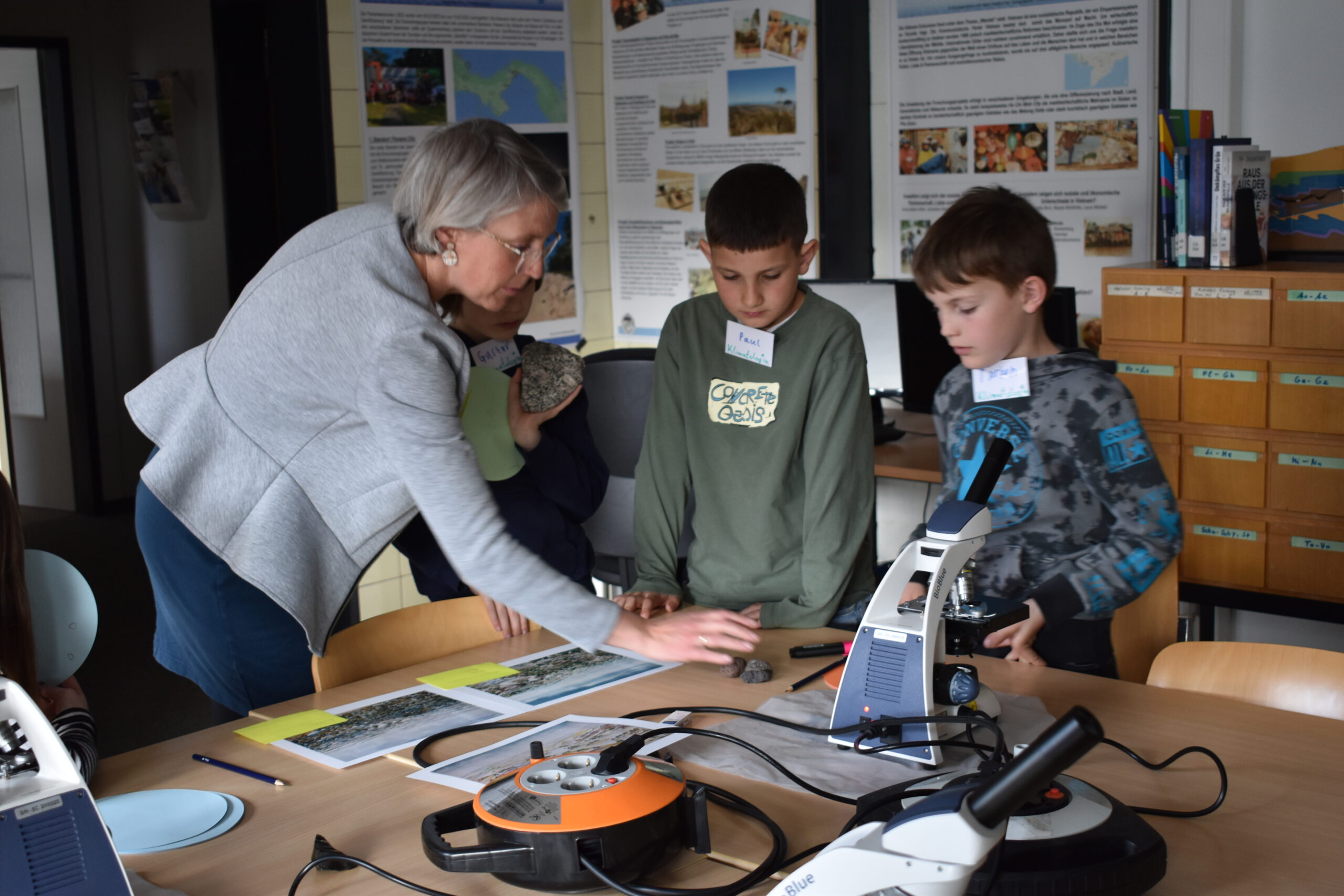
A group of children gathered around microscopes on a library table, examining specimens while a female scientist explains the climate-research station.

KölnerKinderUni

HESCOR Team Members Verena Foerster, Elena Robakiewicz, and Isabell Schmidt along with multiple student workers across disciplines hosted a KinderUni course on interdisciplinary research. Students were able to become a scientist for an hour (archaeologist, paleoclimatologist, or chronologist) and learn the ins and outs of the research process!
Read more

Lecture Series

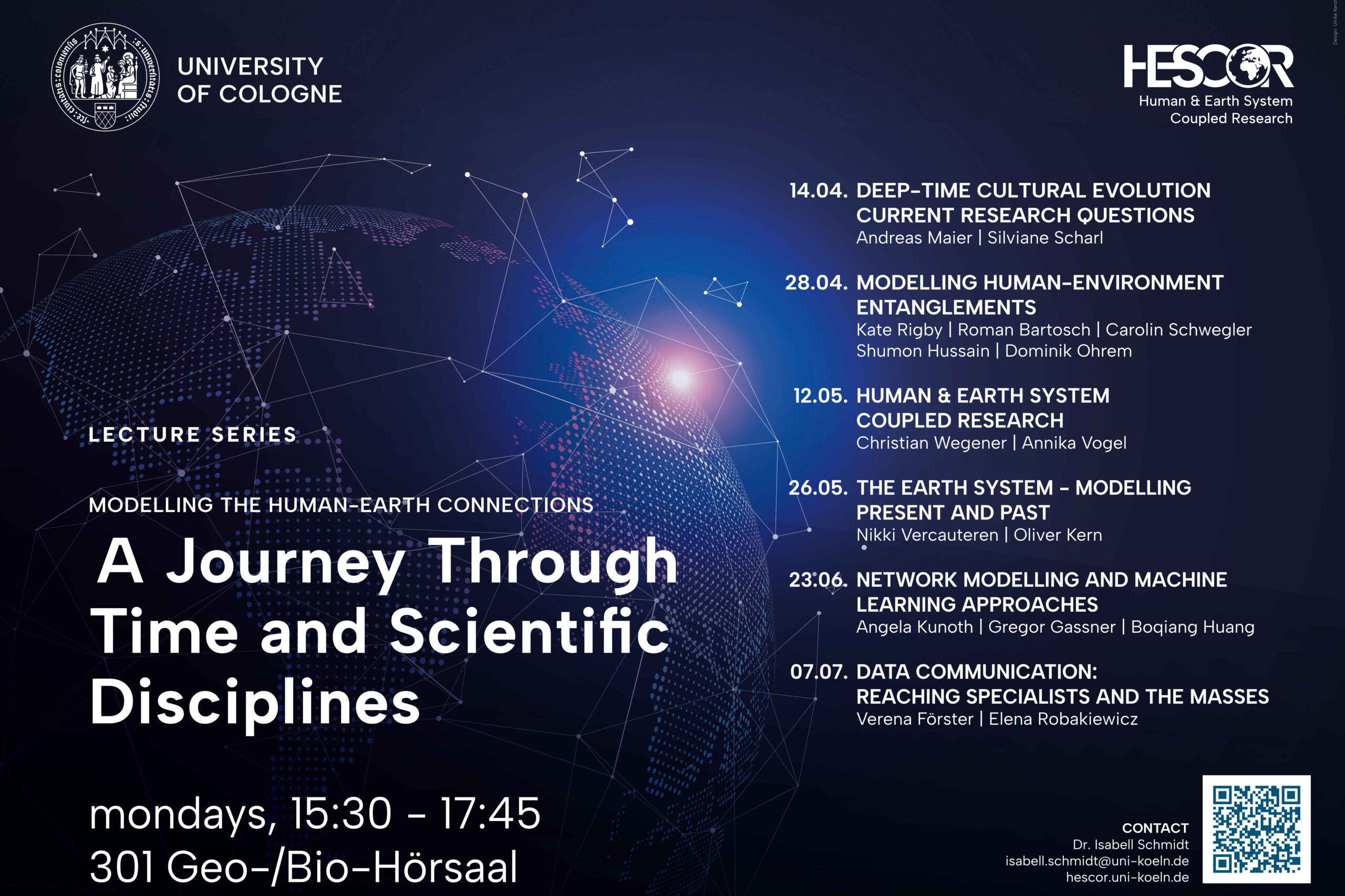
Did you ever wonder how humans have shaped and were shaped by Earth throughout history? In a lecture series for cross-disciplinary bachelor's students, members of HESCOR will host lectures on their role in HESCOR's ultimate goal of comprehensive insight into the past, present, and future of human interrelations with changing climate and environments.
Read more

OPEN EDUCATIONAL RESOURCES

Comics

Scientific methods are often unclear and abstract to the general public. In HESCOR, we aim to breakdown barriers by documenting our interdisciplinary scientific process through easily digestible comics created by Dr. Frederik von Reumont aimed for the public ranging in age from school children to the young at heart!
Read more

Open Online Lectures

HESCOR is committed to sharing our knowledge with university students to increase interest in scientific interdisciplinary work. To extend our outreach, we are creating relevant materials on the fundamentals of our work (such as what is a model? what are data?, etc.) as interactive Open Education Resources to share with any interested parties globally.
Read more

LATEST BLOG POSTS

Student Perspectives: Jakob Heiter
20.05.2026

Student Perspectives: Jakob Heiter

Wie ist es als Student bei HESCOR zu arbeiten? Jakob erzählt von seinem Beitrag in der Weiterentwicklung von Modellen zur Berechnung des Human Existence Potential (HEP)!
Read more
The First Farmers and Their Environment
06.05.2026

The First Farmers and Their Environment

How did Europe's first farmers 10,000 years ago interact with their environment? Dr. Johanna Hilpert shares how HESCOR workers are studying the Linearbandkeramik culture and their relationship with the environment!
Read more
Humans in Africa’s High Mountains – 15,000 Years Ago
22.04.2026

Humans in Africa’s High Mountains – 15,000 Years Ago

How did past humans utilize some of Africa’s highest landscapes? In his new publication, Dr. Götz Ossendorf explores evidence that reveals how humans 15,000 years ago took advantage of newly ice-free landscapes in Ethiopia.
Read more

LATEST STUDENT PERSPECTIVES

Student Perspectives: Jakob Heiter
20.05.2026

Student Perspectives: Jakob Heiter

Wie ist es als Student bei HESCOR zu arbeiten? Jakob erzählt von seinem Beitrag in der Weiterentwicklung von Modellen zur Berechnung des Human Existence Potential (HEP)!
Read more
Bachelor’s Thesis on Efficient Least-Cost Path Modelling
27.03.2026

Bachelor’s Thesis on Efficient Least-Cost Path Modelling

How can large topographic datasets be reduced while still producing realistic least-cost paths? In her Bachelor’s thesis, HESCOR research assistant Lena Perlberg explores how wavelet-based compression can be combined with graph-based routing to enable more realistic and computationally efficient least-cost path analyses.
Read more
Student Perspectives: Viktoria Fries
25.03.2026

Student Perspectives: Viktoria Fries

Wie ist es, als Studentin bei HESCOR zu arbeiten? Viki erzählt von ihren Erfahrungen zwischen Archäozoologie, Datenbanken und interdisziplinärem Austausch.
Read more
CONTACT
Universität zu Köln
Weyertal 125
50931 Köln
Germany
Dr. Isabell Schmidt
Coordination
Phone: +49 221 470-3385
isabell.schmidt@uni-koeln.de
Mo.-Fr.: 9–15 Uhr
Funded by:

University of cologne